Bio: VG (https://people.mpi-inf.mpg.de/~golyanik/) is leading the 4D and Quantum Vision research group at the Visual Computing and Artificial Intelligence Department of the MPI for Informatics, Germany. His primary research interests include 3D reconstruction and neural rendering of deformable scenes and quantum-enhanced computer vision. He received a doctoral degree in informatics from the University of Kaiserslautern, Germany in 2019 (advised by Didier Stricker). Before joining MPI as a post-doctoral researcher, Vladislav was a visiting fellow at NVIDIA (San Jose, USA) and the Institute of Robotics and Industrial Informatics (Barcelona, Spain). Vladislav was an International Programme Committee member at EUROGRAPHICS 2024 and 2025 and served as an Area Chair at ECCV 2024 and CVPR 2025. Moreover, he co-organised the Quantum-CVML workshops at CVPR 2023 and ECCV 2024 and gave several invited talks at computer vision and machine learning schools and conference workshops (e.g., 3DVSS'24, CVPRW'24, EQAI'24 and ELIAS-ELLIS-VISMAC'25). Vladislav regularly reviews for international vision, graphics and machine learning conferences and journals (including editorial responsibilities).
Abstract: The world is inherently non-rigid across all observable scales. 3D generative modelling and 3D reconstruction of non-rigid scenes (often referred to as 4D modelling and reconstruction) using various conditioning signals and inputs (such as textual prompts; multi-view systems and monocular cameras) is a vibrant research field with many open challenges. Addressing those in the mid- and long-term requires new ways of thinking and modelling frameworks, as well as new types of sensors and computational hardware such as head-mounted devices, event cameras and quantum computers. This talk will focus on recent approaches in compositional 4D computer vision, to which the 4D and Quantum Vision (4DQV) research group contributed over the last few years. The speaker will also outline several possible paths forward, considering the recent developments in computer vision and machine learning, e.g., neural fields and physics-based deformation models.
Symposium
Registration Closed
10 March 2025
- 12 March 2025
at 08:30
- 11:00
ELLIS Institute Scientific Symposium 2025
Location: MPI-IS Tübingen in N0.002
All current employees of the ELLIS Institute Tübingen, MPI-IS, and the Tübingen AI Center are welcome to attend. For any questions, please contact carmela.rianna@tue.ellis.eu.
Monday March 10
Time
| Time | Activity |
|---|---|
| 8:30 - 9:00 | Welcome Coffee |
| 9:00 - 9:05 | Welcome by Bernhard Schölkopf |
| 9:05 | Talks (30 mins talk, 10 mins Q&A) |
| 9:05 - 9:45 |
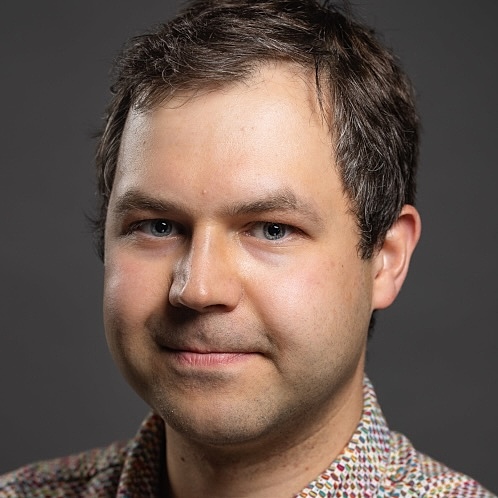 Vladislav Golyanik Vladislav GolyanikMax Planck Institute for Informatics Talk Title: New Frontiers in Compositional 4D Computer Vision |
| 9:45 - 10:25 |
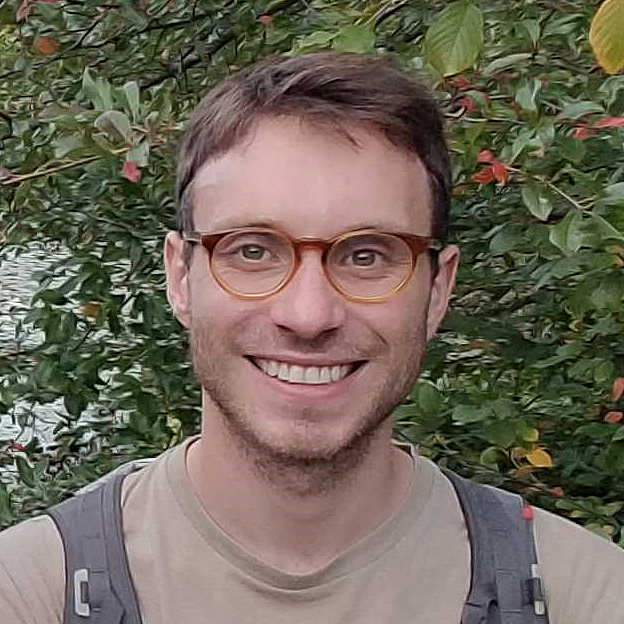 Marcel Binz Marcel BinzHelmholtz Munich Foundation Models of Human Cognition
Bio: Dr. Marcel Binz is a research scientist and deputy head of the Institute for Human-Centered AI at Helmholtz Munich. His research employs state-of-the-art machine learning methods to uncover the fundamental principles behind human cognition. He believes that to get a full understanding of the human mind, it is vital to consider it as a whole and not just as the sum of its parts. His current research goal is therefore to establish foundation models of human cognition – models that cannot only simulate, predict, and explain human behavior in a single domain but that offer a unified take on our mind.
Abstract: Most cognitive models are domain-specific, meaning that their scope is restricted to a single type of problem. The human mind, on the other hand, does not work like this – it is a unified system whose processes are deeply intertwined. In this talk, I will present my ongoing work on foundation models of human cognition: models that cannot only predict behavior in a single domain but that instead offer a truly universal take on our mind. Furthermore, I outline my vision for how to use such behaviorally predictive models to advance our understanding of human cognition, as well as how they can be scaled to naturalistic environments. |
| 10:25 - 11:05 |
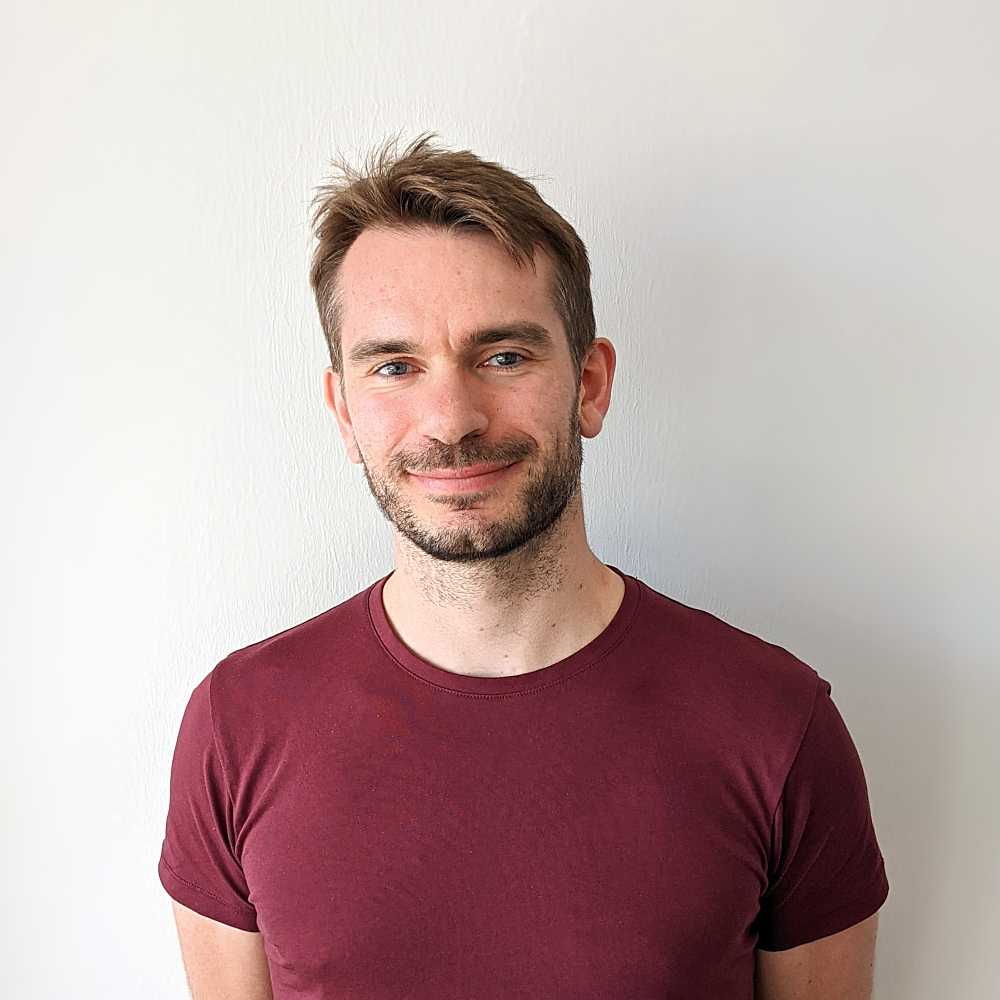 Oier Mees Oier MeesUC Berkeley Embodied Multimodal Intelligence with Foundation Models
Bio: Oier Mees is a PostDoc at UC Berkeley working with Prof. Sergey Levine. He received his PhD in Computer Science (summa cum laude) in 2023 from the Freiburg University supervised by Prof. Dr. Wolfram Burgard. His research focuses on robot learning, to enable robots to intelligently interact with both the physical world and humans, and improve themselves over time. These days, Oier is particularly interested in how we can build self-improving embodied foundation models that can generalize the same way humans do. His research has been nominated for (and received) several Best Paper Awards, including ICRA and RA-L. Previously, I also spent time at NVIDIA AI interning with Dieter Fox.
Abstract: Despite considerable progress in robot learning, most real-world robots remain confined to a narrow set of preprogrammed behaviors, falling short of public expectations. As robots become more ubiquitous in human-centered environments, the need for "generalist" robots grows: how can we scale robot learning systems to generalize and adapt, enabling them to perform a wide range of everyday tasks in unstructured settings based on arbitrary user instructions? In this talk, I will discuss the challenges and opportunities in building robot foundation models and outline the key ingredients for developing generalist robot policies—including cross-embodied learning, multimodal alignment, and scalable learning and evaluation procedures. I will present the first instantiation of such a model, capable of performing bimanual manipulation, visual navigation, locomotion, single-arm manipulation, and even aviation. I will then discuss how this model serves as a pre-trained backbone for downstream tasks, including humanoid control. Finally, I will show how incorporating intelligent reasoning not only enables robots to use common sense to think before acting, but also significantly enhances their generalization, interpretability, and ability to interact effectively with humans. |
| 11:05 - 11:30 | Coffee Break |
| 11:30 - 12:10 |
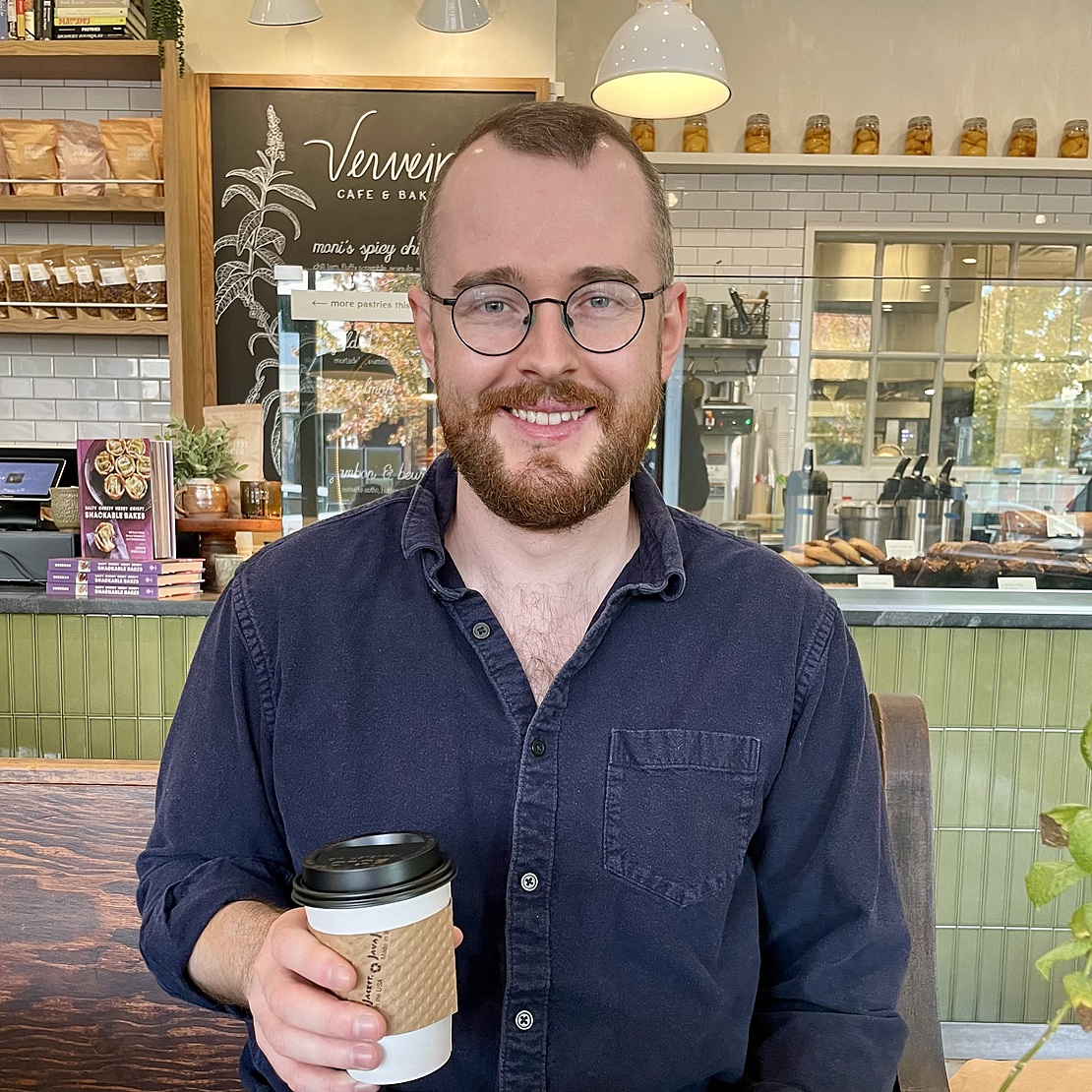 Jeremy Bernstein Jeremy BernsteinMIT Metrized Deep Learning
Bio: Jeremy Bernstein is a postdoc in CSAIL at MIT advised by Phillip Isola. His goal is to uncover the computational and statistical laws of natural and artificial intelligence, and thereby design learning systems that are more efficient, more automatic and more useful in practice. He has a PhD in Computation & Neural Systems from Caltech and Bachelor’s and Master’s degrees in Physics from the University of Cambridge. He was a recipient of the NVIDIA graduate fellowship.
Abstract: We build neural networks in a modular and programmatic way using software libraries like PyTorch and JAX. But optimization theory has not caught up to the flexibility of this paradigm, and practical advances in neural net optimization are largely driven by heuristics. In this talk, I will argue that to treat deep learning rigorously, we must build our optimization theory programmatically and in lockstep with the neural network itself. To instantiate this idea we propose the "modular norm", which is a norm on the weight space of general neural architectures. The modular norm is constructed by stitching together norms on individual tensor spaces as the architecture is constructed. The modular norm has several applications: automatic Lipschitz certificates for general architectures in both weights and inputs; automatic learning rate transfer across scale; and most recently we built the duality theory for the modular norm, leading to fast optimizers like “Muon”, which set speed records for training transformers. We are building the theory of the modular norm into a software library called Modula to ease the development and deployment of metrized deep learning algorithms---you can find out more at https://modula.systems/. |
| 12:10 - 12:50 |
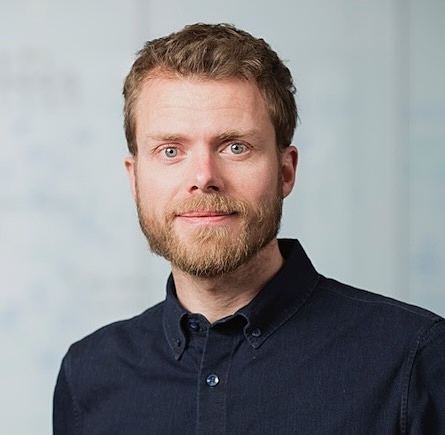 Pierre Gentine Pierre GentineColumbia University Potential Future(s) of Climate Modeling: Lessons from the Drivers of the AI Revolution
Bio: Pierre Gentine is the Maurice Ewing and J. Lamar Worzel professor of geophysics in the departments of Earth and Environmental Engineering and Earth and Environmental Sciences at Columbia University. He studies the terrestrial water and carbon cycles and their changes with climate change. Pierre Gentine is the recipient of the National Science Foundation (NSF), NASA and Department of energy (DOE) early career awards, as well as the American Geophysical Union Global Environmental Changes Early Career, Macelwane medal and American Meteorological Society Meisinger award. He is the director of the NSF Science and Technology Center (STC) for Learning the Earth with Artificial intelligence and Physics (LEAP), the largest funding mechanism of the NSF.
Abstract: AI has been revolutionizing many areas of science from protein unfolding to tumor detection. Over the last five years, fluid dynamics and weather forecasting have witnessed such a revolution and AI-based models are starting to outperform physics-based simulations. Even though several groups have made important steps towards the applications of AI for long-term climate projections, a revolution is not yet within reach but is crucial so that our societies can adapt to climate change. I will present some of the roadblocks in climate modeling and the opportunities that could be imported from the AI revolution. With these developments that require innovations on the algorithmic side, an AI revolution for climate modeling might be within reach. |
| 12:50 - 13:50 | Lunch |
Tuesday March 11
| Time | Activity |
|---|---|
| 8:30 - 9:00 | Welcome Coffee |
| 9:00 - 9:40 |
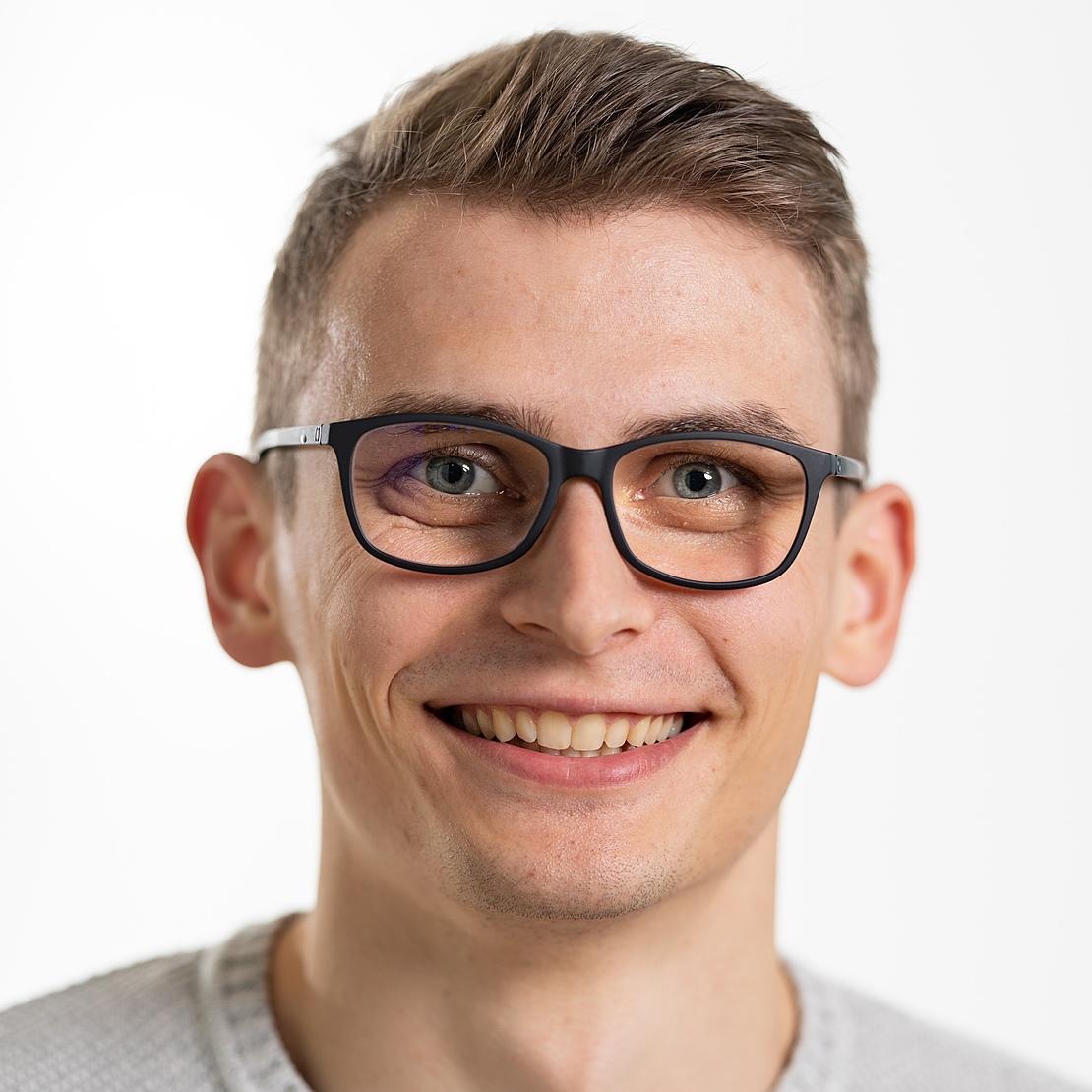 Maximilian Dax Maximilian Dax ETH Zürich Accelerating Gravitational-Wave Astronomy with Probabilistic Machine Learning
Bio: Maximilian Dax is a postdoctoral researcher at ETH Zurich and the ELLIS Institute Tübingen and a member of the LIGO Scientific Collaboration. He pursued his PhD at the Max Planck Institute for Intelligent Systems in Tübingen under the supervision of Bernhard Schölkopf (2020-2024) and interned at Google Research (2023). His research focuses on probabilistic inference, generative modeling and density estimation, with a particular emphasis on scientific applications. Together with his collaborators, he developed DINGO, a leading machine learning approach for gravitational-wave data analysis. His research is published in top venues for science (e.g., Nature, Physical Review Letters) and machine learning (e.g., NeurIPS, ICLR).
Abstract: Gravitational-wave (GW) astronomy promises groundbreaking discoveries in the coming decades, but its progress is bottlenecked by the computational challenges of large-scale and real-time data analysis. I will present a machine learning (ML) approach for fast and accurate GW inference that addresses these challenges. This work combines simulation-based inference, generative modeling, equivariant ML, and classical sampling techniques. I will demonstrate how ML enables new scientific capabilities in GW astronomy and, conversely, how the demands of this domain drive fundamental innovations in ML, with applications beyond astrophysics. |
| 9:40 - 10:20 |
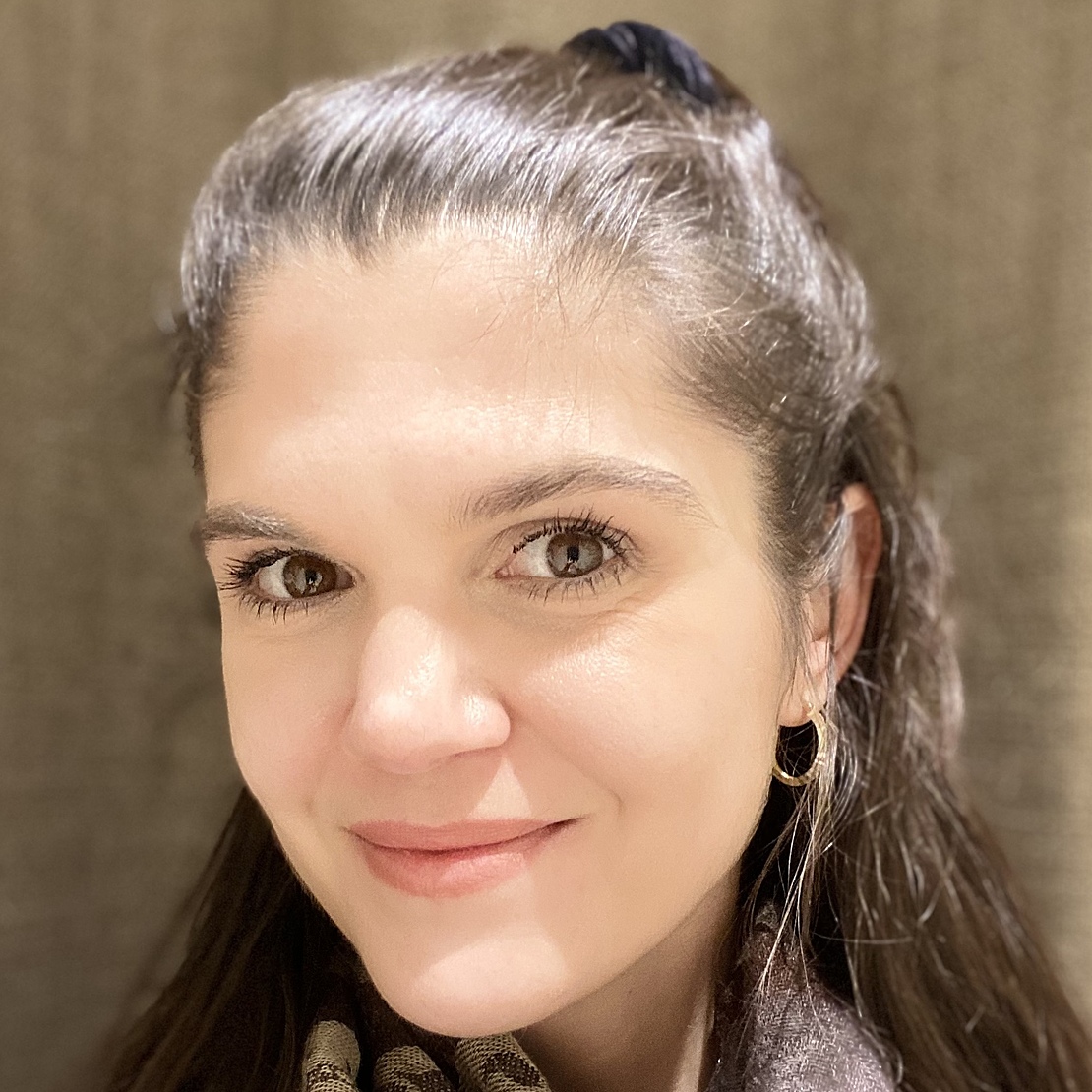 Tatjana Chavdarova Tatjana ChavdarovaPolitecnico di Milano - polimi Learning Dynamics in Multiplayer Games
Bio: Tatjana Chavdarova is a visiting professor in the Department of Electronics, Information, and Bioengineering (DEIB) at Politecnico di Milano (Polimi), where she collaborates with Nicola Gatti and Nicolò Cesa-Bianchi. Her research lies at the intersection of game theory and machine learning, with a particular emphasis on optimization and algorithmic innovation. She holds a Ph.D. in machine learning from EPFL and Idiap, where she was supervised by François Fleuret. During her doctoral studies, she completed internships at Mila, working with Yoshua Bengio and Simon Lacoste-Julien, and at DeepMind, under the mentorship of Irina Jurenka (formerly Higgins). Following her Ph.D., Tatjana served as a Postdoctoral Research Scientist at EPFL’s Machine Learning and Optimization (MLO) lab with Martin Jaggi, and later joined UC Berkeley’s Department of Electrical Engineering and Computer Science (EECS) as a Postdoctoral Researcher working with Michael I. Jordan. Her research has been supported by the Swiss National Science Foundation through the Early.Postdoc.Mobility and Postdoc.Mobility fellowships.
Abstract: Intelligence frequently evolves through interaction and competition. In a similar vein, advanced AI algorithms often depend on competing learning objectives. Whether through data sampling, environmental interactions, or self-play methods, agents continuously refine their strategies to reach an equilibrium—a state where competing objectives are balanced. This talk delves into the learning dynamics within multi-player games, where players adapt their strategies to achieve equilibrium. We will explore how these equilibrium-seeking dynamics differ from single-player optimization, tackling key challenges such as rotational dynamics, noise, and constraints. The discussion will draw on examples from machine learning, including robust objectives, generative adversarial networks, and multi-agent reinforcement learning, emphasizing the significance of learning dynamics in these areas. |
| 10:20 - 11:00 |
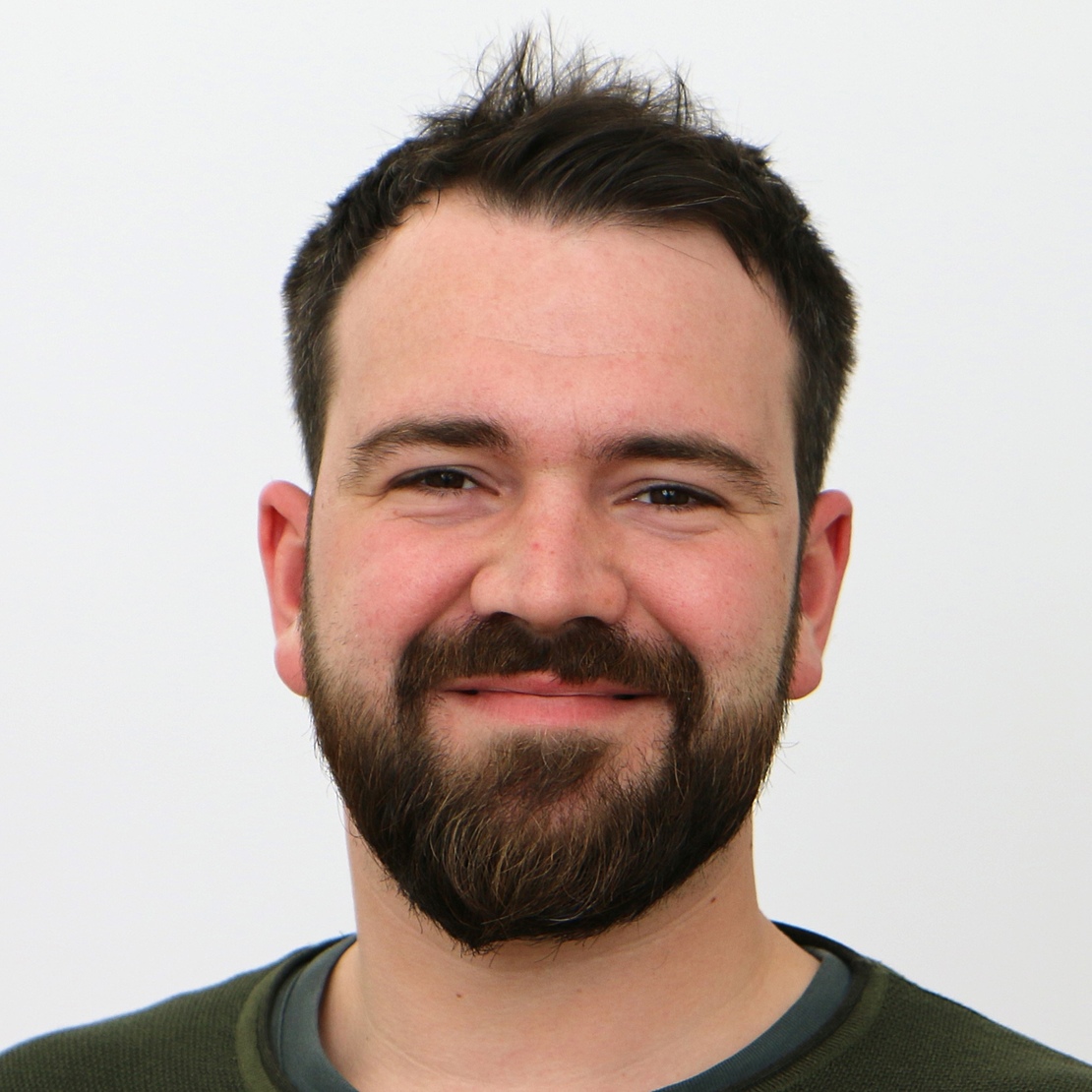 Julius von Kügelgen Julius von KügelgenETH Zürich Causal Representation Learning for Bioinformatics
Bio: Julius von Kügelgen is a postdoc at the Seminar for Statistics at ETH Zürich. His research lies at the intersection of causal inference and machine learning. He obtained his PhD in Machine Learning from the University of Cambridge and the Max Planck Institute for Intelligent Systems. His work has been recognized with the Google PhD Fellowship, a Best Paper Award at the Conference on Causal Learning and Reasoning, and the Cambridge PhD Prize in Quantitative Research. Prior to his PhD, Julius studied Mathematics (BSc, MSci) at Imperial College London and Artificial Intelligence (MSc) at UPC Barcelona and TU Delft.
Abstract: Many scientific questions are fundamentally causal in nature. Yet, existing causal inference methods cannot easily handle complex, high-dimensional data. Causal representation learning (CRL) seeks to fill this gap by embedding causal models in the latent space of a machine learning model. In this talk, I will provide an overview of my prior work on the theoretical foundations of CRL. I will then present ongoing work on leveraging CRL methods for problems in bioinformatics, specifically for predicting the effects of unseen drug or gene perturbations from omics measurements. CRL requires rich experimental data and single-cell biology offers unique opportunities for gaining new scientific insights by leveraging such methods. |
| 11:00 - 11:30 | Coffee Break |
| 11:30 - 12:10 |
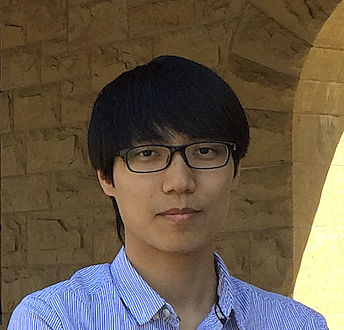 Weiyang Liu Weiyang LiuMPI-IS Towards Principled Adaptation of Foundation Models
Bio: Weiyang Liu is currently a postdoctoral researcher at Max Planck Institute for Intelligent Systems, hosted by Bernhard Schölkopf. He received his PhD in Machine Learning from University of Cambridge and Max Planck Institute for Intelligent Systems, jointly advised by Adrian Weller and Bernhard Schölkopf. His research focuses on the principled modeling of inductive bias for generalizable and reliable machine learning. He has received the Baidu Fellowship, Hitachi Fellowship, and was a Qualcomm Innovation Fellowship Finalist. His work has received the 2023 IEEE Signal Processing Society Best Paper Award, Best Demo Award at HCOMP 2022, and multiple oral/spotlight presentations at conferences including ICLR, NeurIPS, and CVPR. His work has been cited over 10,000 times according to Google Scholar.
Abstract: While foundation models become increasingly ubiquitous, the challenge of achieving efficient yet reliable adaptation to downstream tasks grows in importance. In this talk, I will introduce two families of principled approaches to foundation model adaptation. First, I will present orthogonal finetuning, a weight-based adaptation framework that achieves parameter-efficient adaptation while effectively preserving pretrained knowledge within foundation models. Second, I will introduce verbalized machine learning, an input-based adaptation framework that leverages foundation models' instruction-following capabilities to approximate functions through natural language prompt learning. Finally, I will discuss the challenges and opportunities that arise in foundation model adaptation. |
| 12:10 - 12:50 |
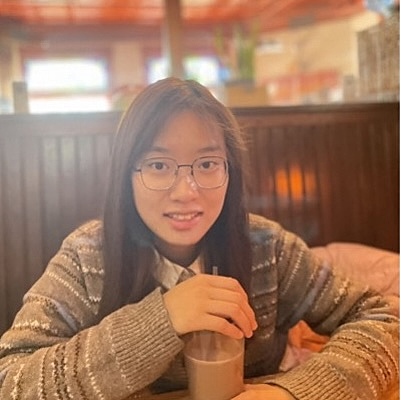 Chulin Xie Chulin XieUniversity of Illinois Urbana – Champaign Improving Trustworthiness in Foundation Models: Assessing and Mitigating ML Risks
Bio: Chulin Xie is a PhD candidate in Computer Science at the University of Illinois Urbana-Champaign, advised by Professor Bo Li. Her research focuses on the principles and practices of trustworthy machine learning, addressing the safety, privacy, and generalization challenges of Foundation Models, agents, and federated (distributed) learning. Her work was recognized by an Outstanding Paper Award at NeurIPS 2023 and a Best Research Paper Finalist at VLDB 2024. She was a recipient of Rising Star in Machine Learning and IBM PhD Fellowship. During her PhD, she gained industry experience through research internships at NVIDIA, Microsoft, and Google.
Abstract: As machine learning (ML) models continue to scale in size and capability, they expand the surface area for safety and privacy risks, raising concerns about model trustworthiness and responsible data use. My research uncovers and mitigates these risks. In this presentation, I will focus on the two cornerstones of trustworthy foundation models and agents: safety and privacy. For safety, I will introduce our evaluation platforms designed to assess the trustworthiness risks in Large Language Models (LLMs) and LLM-based code agents. For privacy, I will present a solution for protecting data privacy with a synthetic text generation algorithm under differential privacy guarantees. The algorithm requires only LLMs inference API access without model training, enabling efficient safe text sharing. Finally, I will conclude with my future research plan for improving trustworthiness in foundation model-based systems. |
| 12:50 - 13:50 | Lunch |
| 18:00 - 18:40 |
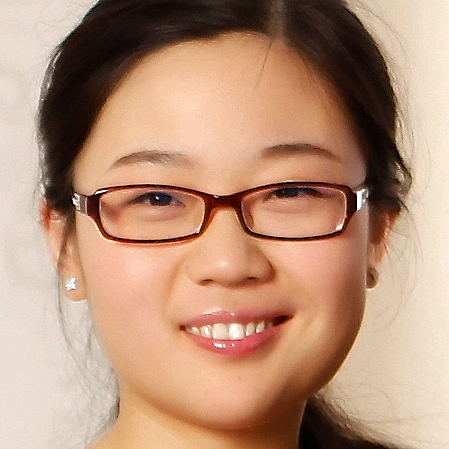 Xi Wang Xi WangETH Zurich Learning to interact by learning to predict
Bio: Xi Wang is an established researcher in the Computer Vision and Geometry Lab with Prof. Marc Pollefeys at ETH Zurich while continue collaborating with Prof. Luc Van Gool at INSAIT. She is also a junior group leader at TU Munich and Munich Center for Machine Learning, funded by BMBF. She was an ETH Postdoc Fellow in the Advanced Interactive Technologies lab and completed her PhD in the Computer Graphics Group at TU Berlin. During her PhD, she visited MIT working in the Computational Perception & Cognition Group and later that year she interned at Adobe Research. Her research interests fall at the intersection of computer vision & graphics, and vision science. Her goal is to bring human common sense and behavior patterns into machine learning. Her current research interests are vision-language multimodal learning, with a focus on understanding how humans' intent drives their actions and their interactions with their surroundings. She is excited to learn about human behavior patterns and to leverage the gained knowledge in computational models and applications.
Abstract: Research in artificial intelligence continues to advance quickly and outperforms humans in many tasks, making its way into our daily lives. However, beneath their superior performance, current technologies, limited in how to perceive, process, and understand our visual world, struggle with understanding and interacting with people. These issues raise the core question of my research: How do we build intelligent systems that can interact with people and offer assistance in a natural and seamless way? In this talk, I will present our works following the learn-to-predict paradigm through an egocentric perspective. |
Wednesday March 12
Time
| Time | Activity |
|---|---|
| 8:30 - 9:00 | Welcome Coffee |
| 9:00 - 9:40 |
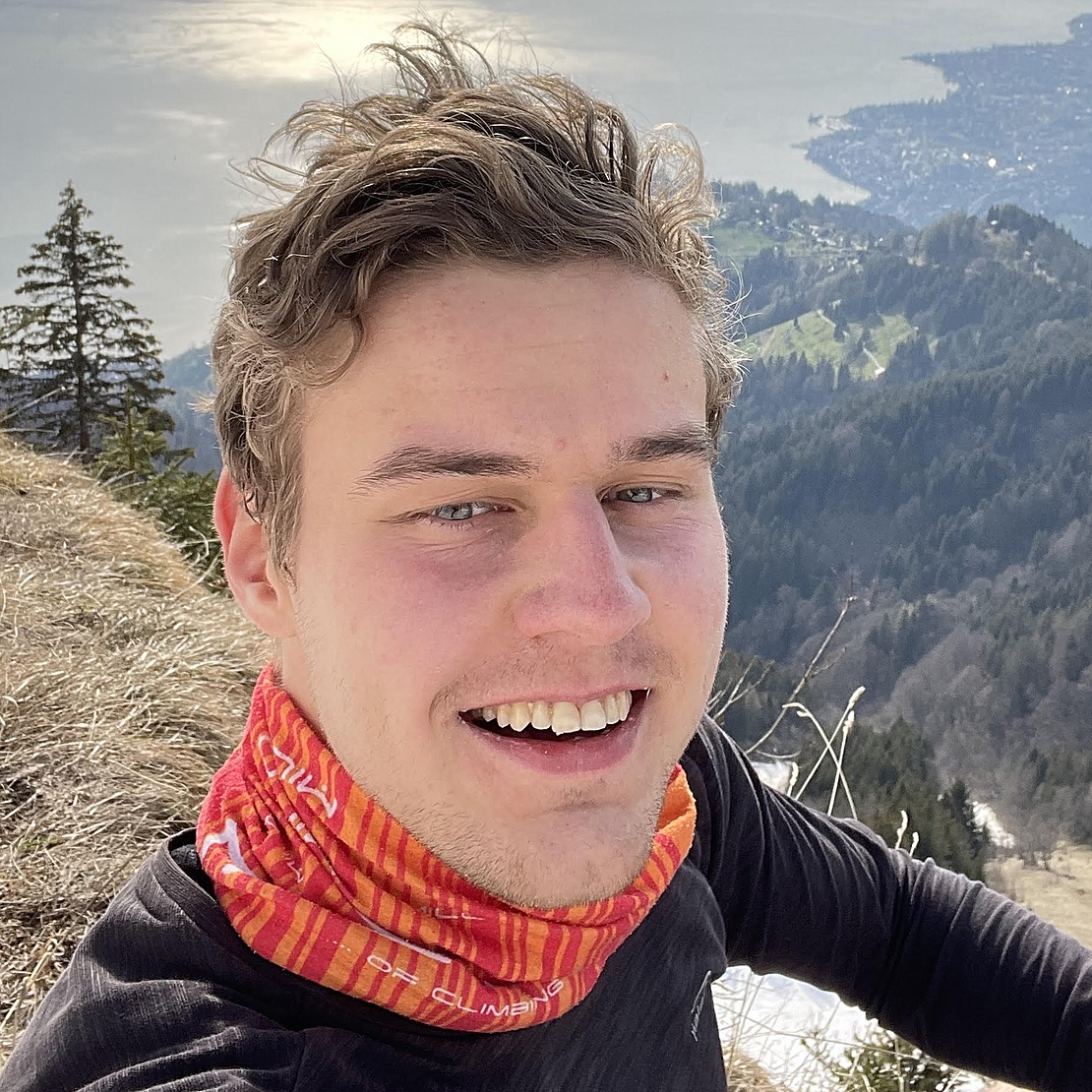 Maksym Andriushchenko Maksym AndriushchenkoEPFL How Do We Evaluate and Mitigate AI Risks?
Bio: Maksym Andriushchenko is a postdoctoral researcher at EPFL and an ELLIS Member. He has worked on AI safety with leading organizations in the field (OpenAI, Anthropic, UK AI Safety Institute, Center for AI Safety, Gray Swan AI). He obtained a PhD in machine learning from EPFL in 2024 advised by Prof. Nicolas Flammarion. His PhD thesis was awarded with the Patrick Denantes Memorial Prize for the best thesis in the CS department of EPFL and was supported by the Google and Open Phil AI PhD Fellowships. He did his MSc at Saarland University and the University of Tübingen, and interned at Adobe Research.
Abstract: AI has made remarkable progress in recent years, enabling groundbreaking applications but also raising serious safety concerns. This talk will explore the robustness challenges in deep learning and large language models (LLMs), demonstrating how seemingly minor perturbations can lead to critical failures. I will present my research on evaluating and mitigating AI risks, including adversarial robustness, LLM jailbreak vulnerabilities, and the broader implications of AI safety. By developing rigorous benchmarks, novel evaluation methods, and foundational theoretical insights, my work aims to provide effective safeguards for AI deployment. Ultimately, I advocate for a systematic approach to AI risk mitigation that integrates technical solutions with real-world considerations to ensure the safe and responsible use of AI systems. |
| 9:40 - 10:20 |
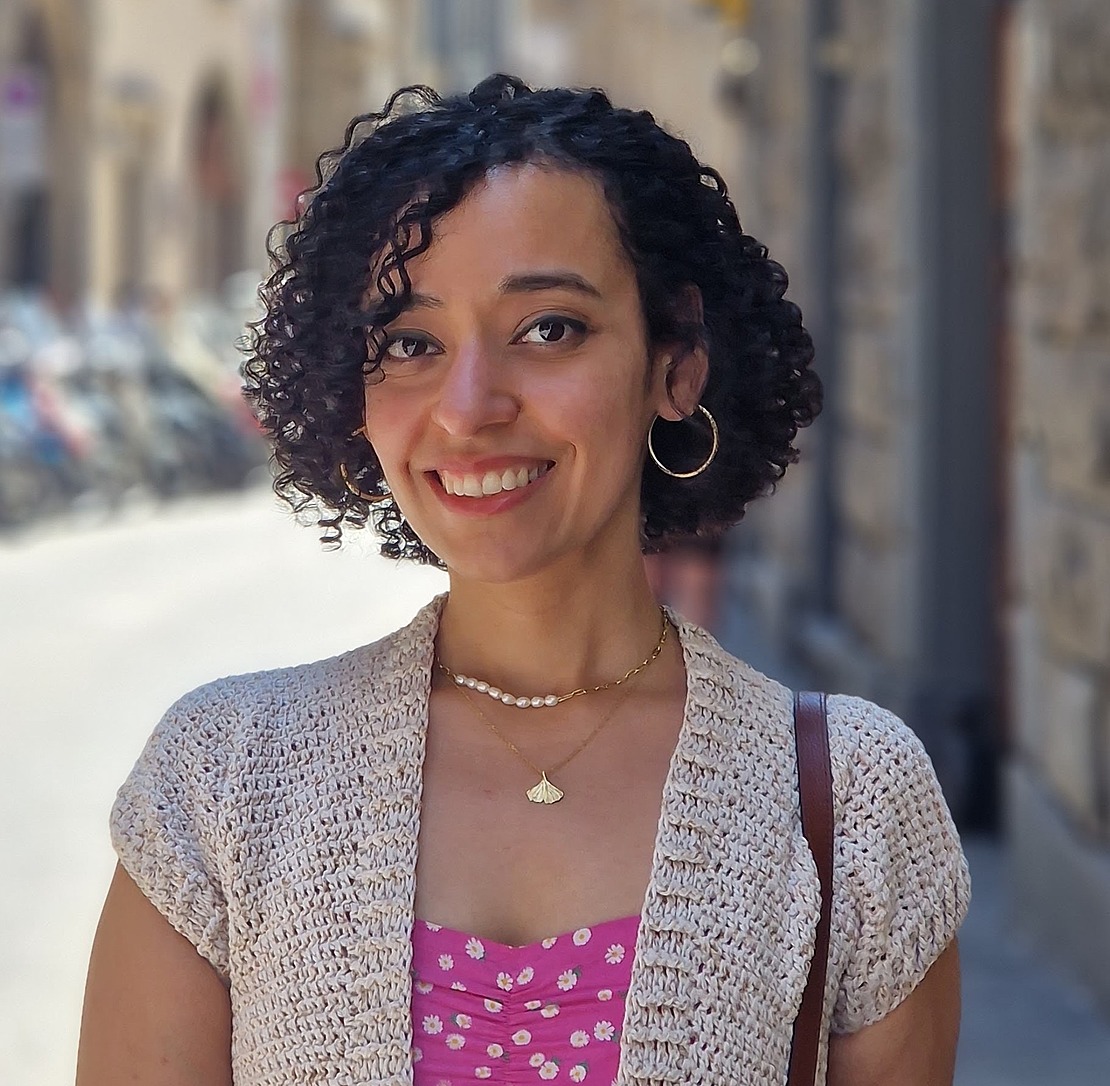 Sahar Abdelnabi Sahar AbdelnabiMicrosoft Research Cambridge Towards Aligned, Interpretable, and Steerable Safe AI Agents
Bio: Sahar Abdelnabi is an AI Security Researcher at Microsoft Research Cambridge, UK. Her research interests span the broad intersection of AI with security, safety, and sociopolitical aspects. She received her master’s degree from Saarland University and completed her PhD summa cum laude at the CISPA Helmholtz Center for Information Security, advised by Prof. Dr. Mario Fritz. As part of her work, she advises on vulnerabilities reported to Microsoft on AI products and provides technical consulting to Engineering teams. Her work was published at top security (USENIX Security, CCS, S&P, SaTML), computer vision (CVPR, ICCV), and machine learning conferences (NeurIPS, ICLR). One of her papers, which received a Best Paper Award at AISec workshop, was the first to identify the indirect prompt injection vulnerability in LLM-Integrated applications, now a critical vulnerability in Microsoft's AI bug bounty program. She serves as a reviewer for USENIX Security, CCS, AISec workshop, and other ML conferences. She co-organized a competition at IEEE SaTML'24 and is one of the main organizers of another competition at IEEE SaTML'25.
Abstract: AI models are becoming more ubiquitous in our everyday lives. We now have so many real-world AI-integrated products and applications that millions of users use daily. LLM agents are now on the rise to automate many tasks and workflows. While these applications can enhance utility and unlock new possibilities, there are many challenges in ensuring their reliability and trustworthiness. In this talk, I will discuss my work on studying the emergent risks of AI, including prompt injections and the risks of manipulating agentic systems and networks. I will discuss my work on detecting prompt injections based on models' internal states, intersecting AI interpretability, security, and safety, and offering significant improvements over text-based classification methods. I will discuss our ongoing work, via a public competition, to build community-based adaptive attacks and benchmarks for indirect prompt injection. I will finally discuss challenges in evaluating and securing multi-agent workflows and multi-agent manipulation risks. I will conclude by sharing directions to ensure Aligned, Interpretable, and Steerable Safe AI Agents. |
| 10:20 - 11:00 | Coffee Break |


Registration Closed
This event is no longer open for registration.
If you have any questions, feel free to contact us:
Contact Us